42-year-old Ajaokuta plant set for reboot with $2bn Investor-backed plan
Date posted: 25th March 2026
FOR more than four decades, the sprawling grounds of the Ajaokuta Steel Company have stood as a haunting monument to stalled ambition. Once envisioned as the furnace that would power Nigeria’s industrial revolution, the vast complex today tells a different story. It is a story of silent blast furnaces, weed-choked rail tracks, corroded pipes and warehouses filled with ageing, dust-coated machinery.
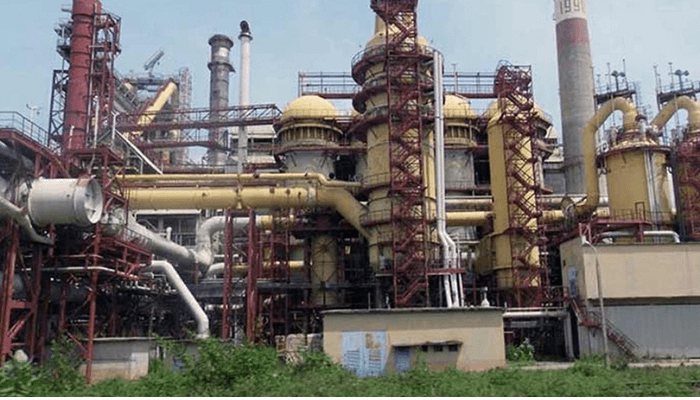
Commissioned in 1984 with an installed capacity of 1.3 million metric tonnes per annum, Ajaokuta Steel was designed to anchor heavy industry in Nigeria, feeding construction, automotive assembly, rail development and manufacturing. Instead, the plant has remained largely non-operational for decades, crippled by legal disputes, policy reversals and controversial concession agreements that left critical components idle.
Sections of the facility that once buzzed with promise now sit exposed to the elements. Steel structures bear the scars of oxidation. Control panels installed in the 1980s reflect outdated technology. Conveyor systems that were meant to transport iron ore from Itakpe lie still, symbols of a supply chain that never fully synchronised with production. What was conceived as Africa’s largest integrated steel complex has, for years, functioned more as an industrial relic than a productive asset.
Chinese investors
Yet the Nigerian government says that may soon change. Authorities have advanced negotiations with Chinese investors under a proposed $2 billion rehabilitation plan structured around a production-sharing model rather than an outright sale. The goal is not only to restart the moribund rolling mill but to scale output dramatically — from its original 1.3 million metric tonnes to as much as 10 million metric tonnes annually after stabilisation.
Nigeria currently consumes an estimated 10 million metric tonnes of steel each year but produces only about 1.2 million metric tonnes locally, most of it derived from recycled scrap rather than virgin iron ore. Tegbe argued that such reliance on scrap is unsustainable, especially given Nigeria’s significant iron ore deposits in Itakpe and parts of Kogi and Niger States.
After engaging nearly 10 Chinese firms, the government identified a preferred investor that conducted a two-week technical evaluation of the plant, deploying about 20 engineers at its own expense. Their findings indicated that while much of the equipment requires modernisation, the core infrastructure and structural framework remain viable.
Under the proposed arrangement, the Chinese partner would raise the $2 billion investment independently, subject to approval from China’s National Development and Reform Commission (NDRC). In return, the investor would recover funds through a sliding-scale production-sharing formula.
Nigeria would retain ownership of Ajaokuta. Initially, the investor could receive between 60 percent and 70 percent of output as repayment. Over a five- to 10-year period, that share would gradually decline to zero, after which Nigeria would assume full production control.
“They are not going to own Ajaokuta. Nigeria still owns Ajaokuta. What we are doing is production sharing,” the newspaper quoted Mr Tegbe as saying.
Mr Tegbe maintained that restarting even the existing rolling mill within six months of agreement would signal a symbolic and practical turning point.
The revival plan also addresses long-standing structural weaknesses. Past decisions to separate iron ore assets from the steel complex created supply bottlenecks that undermined efficiency. The government is now working to integrate the Itakpe iron ore source with Ajaokuta under a coordinated holding framework involving the Ministry of Steel Development and plant management.
Signed,
VOTA Diaspora 2027
info@vota2027.org